Silica 10 revisited

Sometimes there’s a mineral that stands out above the rest. One that has a potentially magical past in the history of this planet. I think that mineral may be Silica.
I wrote about Silica back in 2022 here: Silica — BBNMembers
But I just listened to Dr Tom Cowan’s January 2024 Livestream about Silica and learned more about the benefits it provides to us and the mystery it holds.
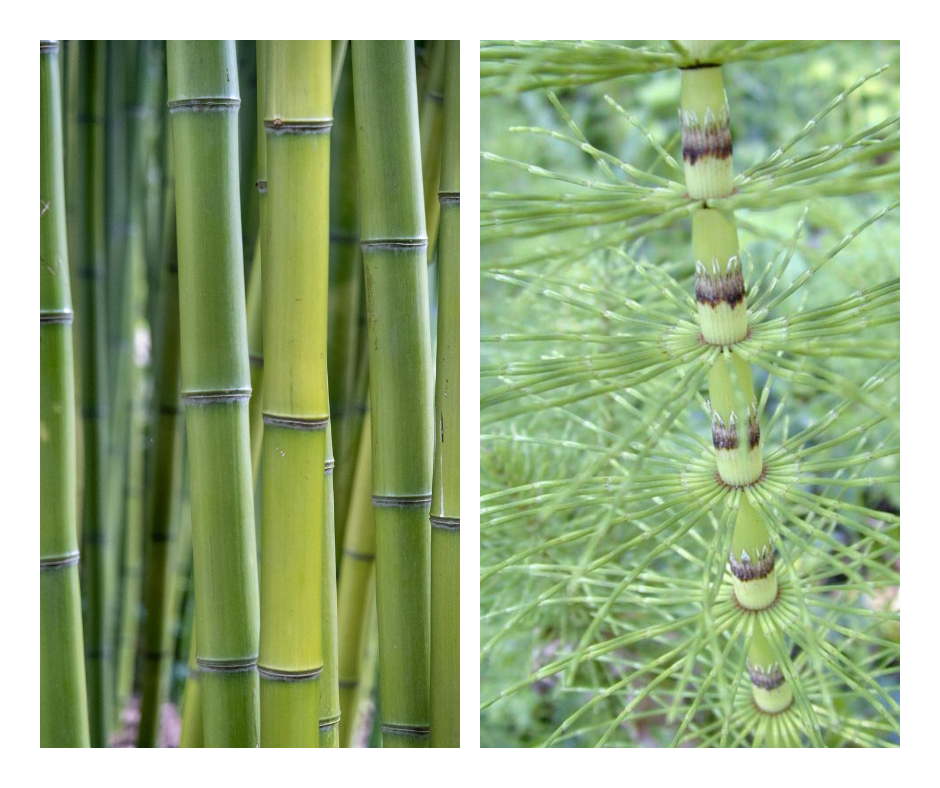
Two of the richest plant sources of silica are Bamboo and Horsetail, and remarkably, both these plants fit in with the Law of Signatures in the plant kingdom as resembling the spine. The “Law of Signatures” is the ancient belief that a plant’s shape, color, texture, or growth pattern reflects its healing relationship to the human body.
In the photo below you can see that the segmented joints visually look like vertebrae and intervertebral discs.
Both Horsetail and Bamboo are ancient plants, Horsetail being the elder going back around 300 million years. In prehistoric swamp forests, horsetail could grow up to 50 feet. Talk about being resilient! Even today, these two plants are considered highly invasive because once you plant them it’s really hard to kill them. Comfry, also rich in silica, is also extremely resilient with it’s roots sometimes growing to 10 feet!
Silica embodies both strength and flexibility — qualities reflected in these resilient, long-lived plants. In Schüßler’s system, Silica, the 12th Tissue Salt, is used to support a body whose structural integrity is deteriorating, helping restore the body’s scaffolding and connective matrix while nourishing the nerve sheaths, skin, hair, nails, bones, and connective tissues.
And here’s the thing, in a plant like bamboo or horsetail, Silica is basically liquid quartz.
So, where else in nature do we see quartz and plants mixed together?
In the Petrified Forest.
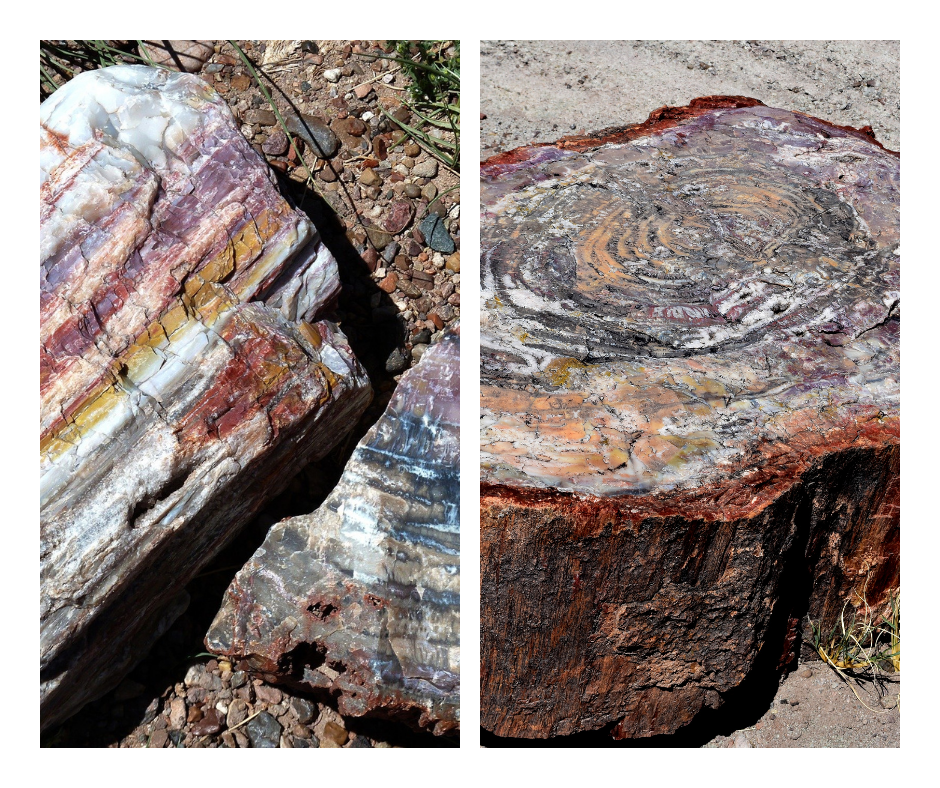
Trees in the Petrified Forest
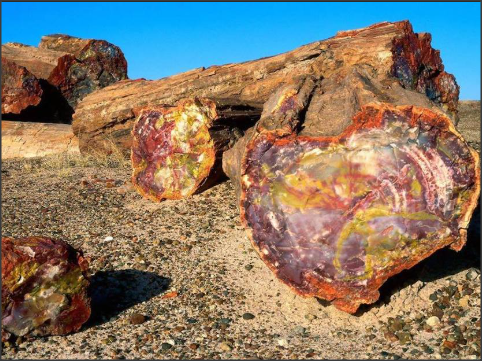
The trees in the Petrified Forest have been transformed into quartz over millions of years. Or so the experts say. But what if the experts were wrong? The experts say that the trees, some with very straight cuts, were covered up with water that was high in silica and that’s why they slowly transformed into quartz. Why they didn’t rot first in the water, the experts don’t know.
And I love this about Dr Tom. He postulates that just maybe, conditions on earth were different, and that maybe these trees were really silica ‘living quartz’ based and not carbon based as trees are now. We know that conditions on earth long ago allowed for trees to grow much bigger than they do today. We know that silica can make plants very resilient and capable of growing to great heights. Could it be that they could grow even bigger than we can imagine?
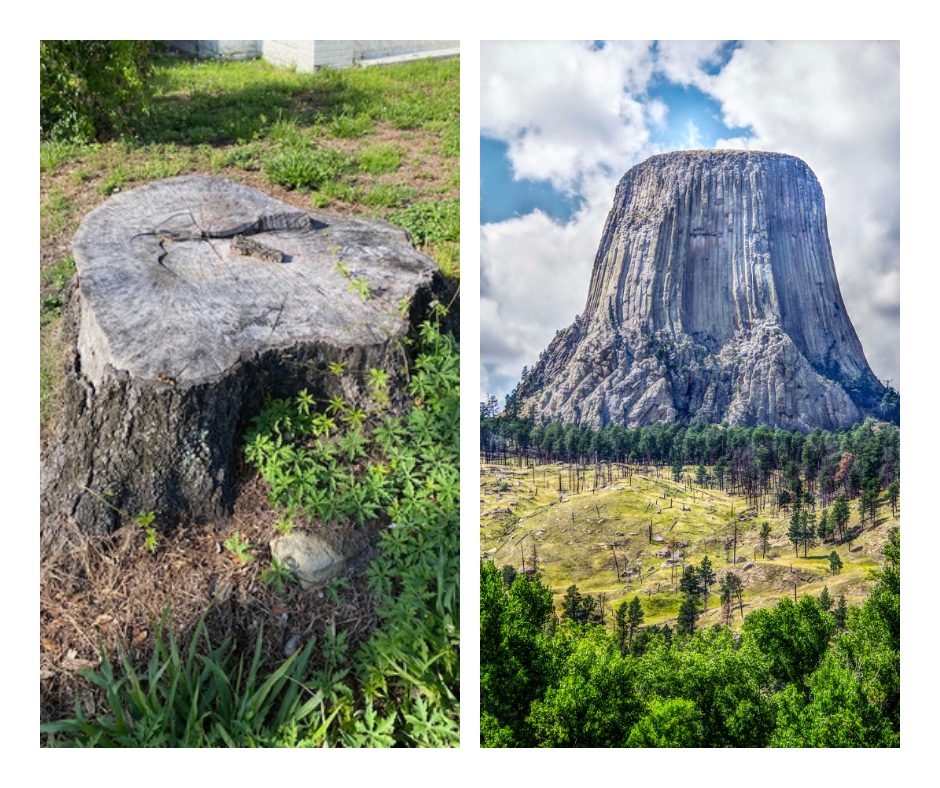
Here’s a picture, on the left, that I took on my morning walk of a tree stump. To the right, is a rock that they say was formed by lava.
The vertical lines don’t look anything like lumpy lava rocks but they do look quartz-like..
If I was from another planet, which by the way, my husband thinks I am sometimes when I share these ideas with him, lol. But if I was from another planet, the rock on the right looks very much like the tree stump on the left, only much bigger and much older.
And because so much of our dating of ancient organic material relies on carbon dating, we may be overlooking something important about the silica-rich trees of the Petrified Forest National Park.
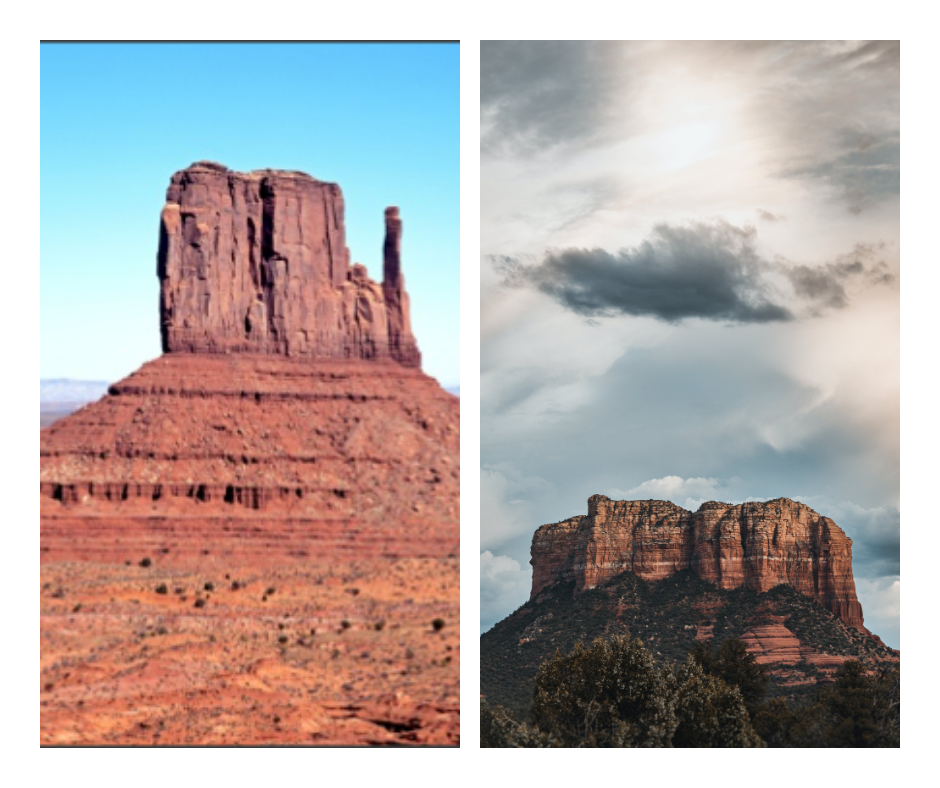
More ‘ancient massive tree trunk’ photos for fun:
And here’s a photo from the Petrified Forest in Lesvos, Greece where the largest petrified tree is found with the circumference of about 44 feet.. What should strike you in this photo is the cuts on the big logs; they’re straight cuts. What tools could have made these cuts 20 million years ago? What kind of electromagnetic potential did these trees have?
Marcel Vogel believed that quartz — a crystalline form of silica — was more than a mineral; he saw it as a highly ordered structure capable of interacting with energy, intention, and consciousness. Because silica forms the structural basis of quartz and also appears throughout nature in plants, minerals, and even trace amounts in the human body, Vogel viewed it as part of a deeper connection between living systems, geometry, and vibrational coherence.
So, I’ll leave you here , with these thoughts and pictures to ponder.
Share your comments below.
Silica 68273846587
Love and hugs,
~Christine
